
One of the greatest misconceptions in the events industry is that hospitality belongs to consumer festivals, while efficiency belongs to B2B conferences. In reality, the most sophisticated platforms understand that hospitality is strategy — regardless of audience.
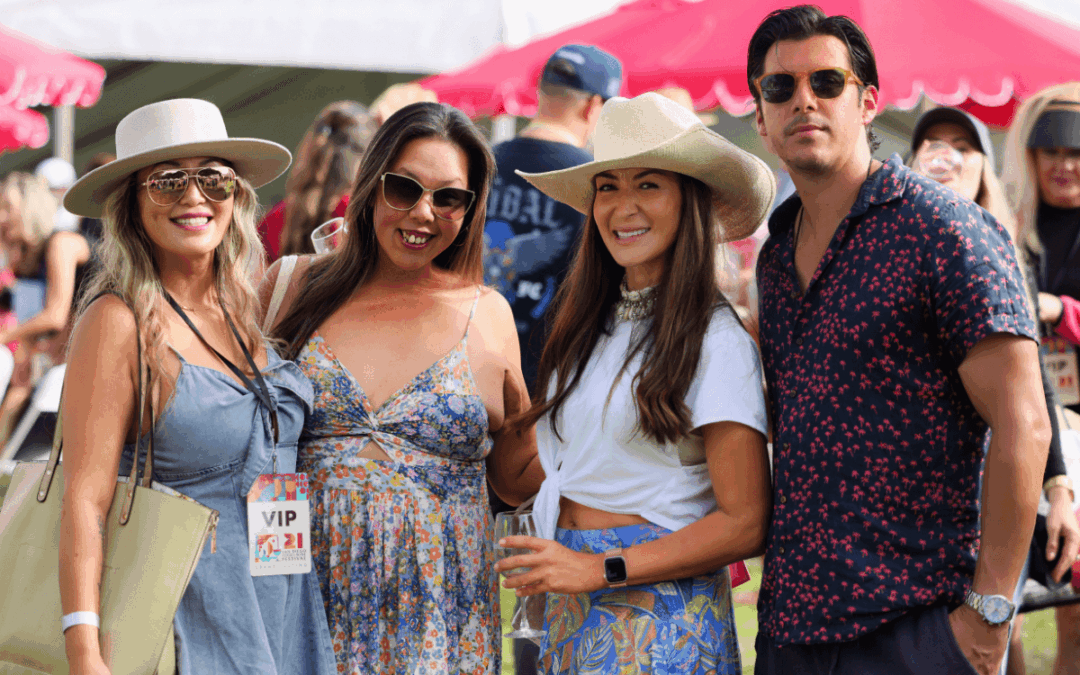
In our consumer festivals like the San Diego Food + Wine Festival, we regularly see corporations use the event as a backdrop to convene their communities. They don’t just sponsor — they curate. They bring key accounts, distributors, media partners, or internal teams into experiences designed to deepen connection. Sometimes it’s a private tasting woven into the broader program. Sometimes it’s a hidden speakeasy moment, a chef-led dinner, or a lounge activation that feels exclusive but is part of the larger ecosystem. These moments are intentional, highly designed, and hospitality-driven. And they work.
Why? Because business grows where trust grows. And trust grows fastest in shared experience.
B2B tradeshows and conferences often prioritize access and scale — appointments, booths, education tracks, lead capture. All necessary. But what if we layered in the same hospitality mindset that drives loyalty and expansion in B2C festivals?
Imagine a trade show where a brand doesn’t just host a booth, but curates a private, elevated moment for its top 20 buyers — integrated seamlessly into the broader event. Or where sponsors design intimate learning salons instead of generic receptions. Or where a conference becomes a place to celebrate existing partnerships, not just pursue new ones.
The lesson from festivals is simple: hospitality isn’t decoration. It’s infrastructure for relationship expansion.
I recently spoke at Fest Forums (a festival for us festival types) and had the privilege to take in a talk from the legendary Kevin Lyman of Vans Warped Tour where he spoke about this as the Festival Between the Stages. The magical moments that happen out of the public view are what turn our events into experiences our communities can’t do without.