
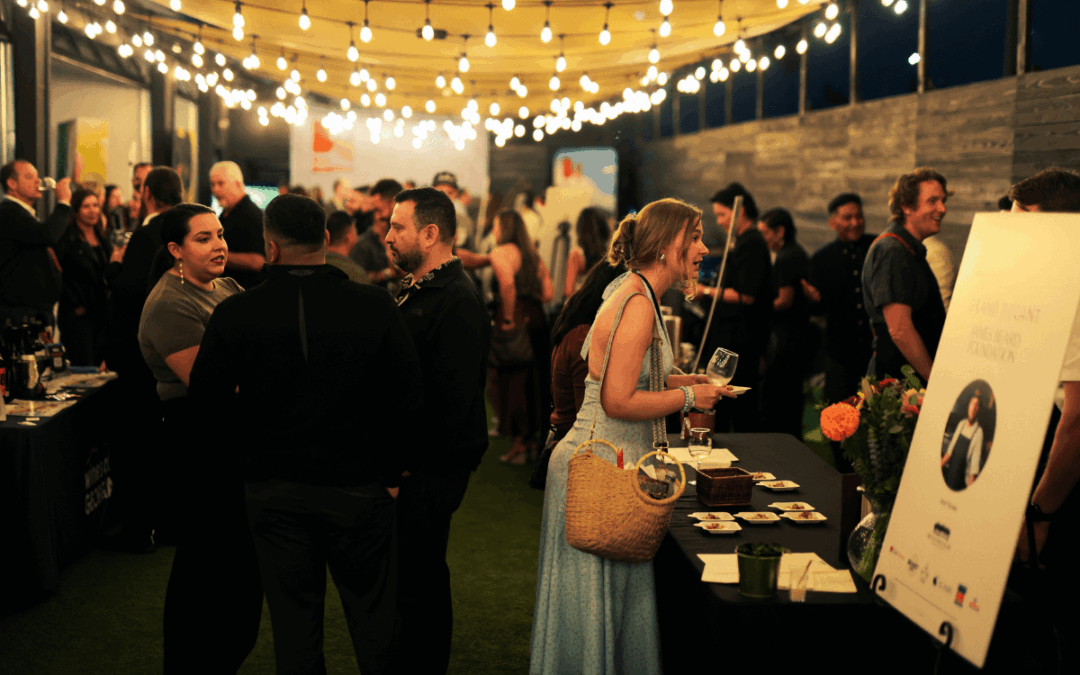
When we began exploring the possibility of launching DC Food + Wine Festival, I realized something that challenged my own assumptions. Washington, D.C. is not the first city that typically comes to mind when discussing nationally recognized culinary destinations. Yet as we moved deeper into research and conversations with chefs, beverage leaders, and regional partners across DC, Maryland, and Virginia, it became clear that the market is far more dynamic than many outsiders perceive.
The region has a sophisticated and highly engaged wine community, award-winning culinary talent, and a strong appetite for experiences that elevate both. Just as importantly, there is enthusiasm from within the local industry for something thoughtfully built and intentionally positioned. That distinction matters.
What also became clear early in the process is that entering a new market requires humility. We could not simply replicate the San Diego Food + Wine Festival model and expect it to resonate in the same way. San Diego’s culinary narrative has been built over decades through deep local relationships and sustained community support. DC has its own cultural context, rhythms, and expectations. Any event introduced there must feel native, not imported.
Introducing a Brand Rather Than Scaling It
One of the most common misconceptions about launching an event is that brand equity begins when tickets go on sale. In practice, it begins much earlier.
For DC, we made a deliberate decision not to pursue a full-scale debut in year one. Instead, we are introducing the concept through a preview experience designed to engage key stakeholders at a more focused scale. This approach allows us to build relationships intentionally, invite local chefs and purveyors into the process, and collaborate with community partners from the outset.
That distinction is important. There is a meaningful difference between entering a market to execute an event and entering a market to build something alongside the people who shape its culture. The latter takes more time and requires patience, but it establishes a foundation that advertising alone cannot create.
Selling Vision Without Historical Data
Launching a new event also presents a practical challenge: there is no historical data to rely on. We cannot point to prior attendance numbers, demographic breakdowns, or past sponsor performance reports. Conversations with partners and stakeholders are centered on vision, long-term positioning, and strategic alignment.
Operating within that reality requires clarity and discipline. It also reinforces the importance of working with partners who understand that meaningful brand equity compounds over time. When resources are allocated carefully, creativity and collaboration become central to the strategy. Community alignment begins to replace large-scale promotional spend as the primary driver of awareness.
In a launch market, momentum does not immediately present itself in ticket velocity. Early momentum is rooted in community before it becomes commercial. It is reflected in regional associations sharing the message, chefs expressing interest, and industry leaders offering introductions. Those signals are less visible than a sell-out announcement, but they are far more predictive of long-term viability.
Building for the Long Term While Producing the Present
Another intentional decision in our approach has been to think beyond the first event. While the preview experience introduces the concept in 2026, we are simultaneously investing in the narrative, content, and relationships that will support a broader launch in 2027.
Too often, launch budgets are concentrated on immediate visibility. We believe the stronger strategy is to build assets that extend beyond a single weekend. Capturing the right content, documenting the community engagement process, and reinforcing local partnerships create continuity. That continuity is what ultimately strengthens brand equity.
The first year, therefore, is not about scale for its own sake. It is about credibility. It is about establishing that the event reflects the city it represents. When a market feels ownership, growth follows more sustainably.
The True Measure of a Launch
The success of a new event is not determined solely by attendance in its first year. It is measured by whether chefs return, whether sponsors renew, and whether the community sees the event as an extension of its own identity.
Brand equity in a new market is built before the first guest arrives. It is established in the months of research, listening, partnership development, and disciplined positioning that precede the public launch.
The event itself is not the beginning of the brand. It is the validation of the groundwork.